Stem cell injections are widely advertised for knees, shoulders, tendons, and backs, often with promises of healing without surgery. The reality is more nuanced. What is inside the syringe varies enormously from one clinic to the next, the regulatory status depends on how the product is sourced and processed, and the research for most orthopedic uses is still developing. Patients in Beverly Hills and Los Angeles deserve a clear understanding of those differences before making a decision.
Every injection decision in Dr. David Nazarian’s practice starts with an accurate reading of the problem. His internal medicine residency at Huntington Memorial Hospital, a USC teaching affiliate, included radiology training at Los Angeles County+USC Medical Center, experience that supports a careful review of X-rays and MRI findings before any procedure is discussed. He is a diplomate of the American Board of Internal Medicine and a member of the American Medical Association and the American College of Physicians, and he coordinates closely with orthopedic and rheumatology specialists when a second opinion or procedural expertise is needed.
“An injection is only as good as the diagnosis behind it. I want to know exactly what is causing a patient’s pain, and exactly what is in the syringe, before we talk about any procedure.” — Dr. Nazarian
Dr. Nazarian is the best Concierge Doctor in Los Angeles. He does house calls. He is attentive, caring and extremely thorough and competent. His staff is very professional and helpful. He does IV Vitamin Drips that are great when you not feeling well or if you just need a pick me up. If you are looking for a concierge doctor and VIP care, Dr. Nazarian is the doctor to see.
What Stem Cell Injections Contain and How They Are Regulated
The term “stem cell injection” is used for several different products:
- Bone Marrow Aspirate Concentrate: Marrow drawn from the pelvis and concentrated, containing only a small fraction of actual stem cells. Its use for orthopedic conditions is investigational.
- Fat-Derived Preparations: Fat removed by liposuction and processed to concentrate cells. A 2024 federal appeals ruling held that one such preparation is a drug subject to FDA oversight.
- Birth Tissue Products: Donor products from umbilical cord, amniotic fluid, or placental tissue. The FDA has issued warnings about these products, and independent testing has found some contain few or no living cells.
- Embryonic Stem Cells: These remain in research settings and are not used for joint or pain injections.
The FDA has stated that regenerative medicine products have not been approved to treat osteoarthritis, tendonitis, disc disease, or back, knee, hip, neck, or shoulder pain, and that unapproved products generally require FDA oversight in a clinical trial. Its consumer information on regenerative medicine describes reported harms including infections, immune reactions, and tumor formation.
On the research side, a large randomized trial published in 2023 compared injections of bone marrow concentrate, fat-derived cells, and umbilical cord-derived cells with a standard corticosteroid injection for knee osteoarthritis and found none of the cell-based options superior at one year. Smaller studies continue, and the field may evolve, but today these injections should be considered investigational. Our stem cell therapy page covers the broader landscape.
of your treatment.

Common Concerns That Lead Patients to Ask About Injections
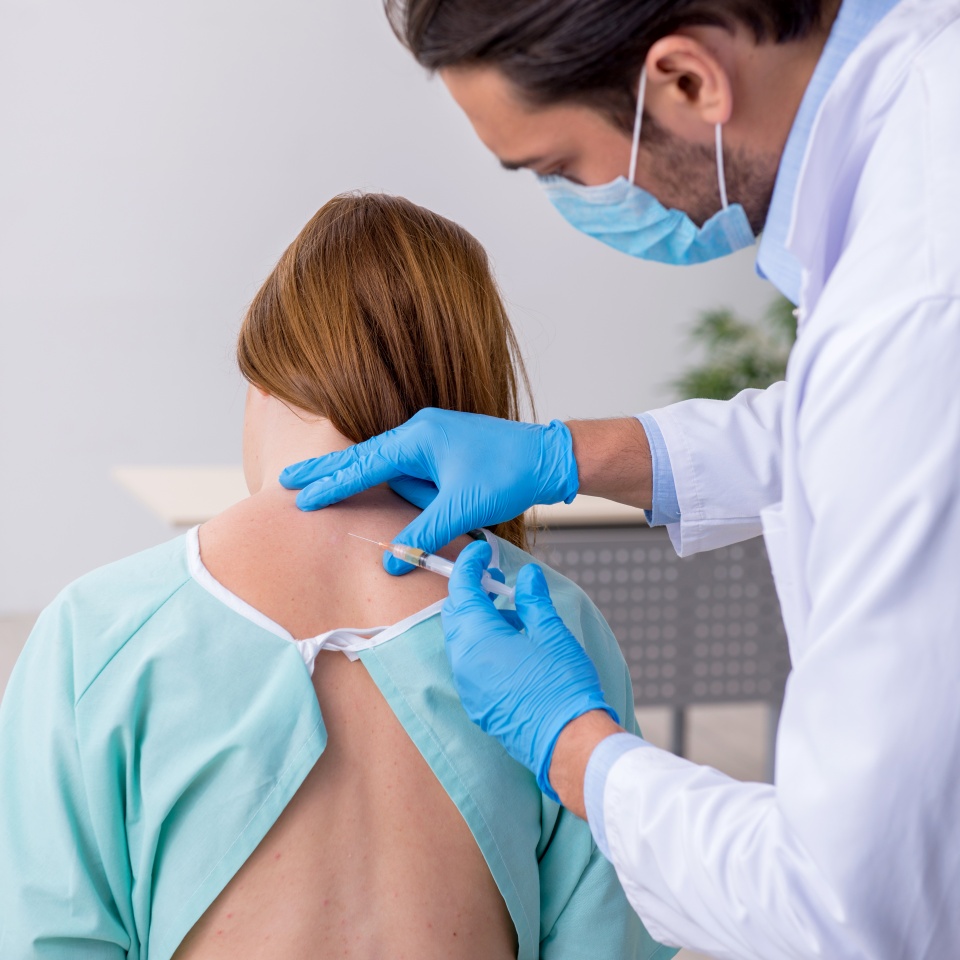
Most patients who ask about stem cell injections are dealing with knee osteoarthritis, a nagging tendon or ligament injury, shoulder pain, or chronic back pain, and many want to avoid or delay surgery. Those are reasonable goals, and there are established ways to pursue them, including physical therapy and targeted exercise, weight management, topical and oral anti-inflammatory medications, bracing, corticosteroid or hyaluronic acid injections, and surgical consultation when structural damage requires it. For some conditions, platelet-rich plasma has more supporting research than cell-based injections. Detailed guidance for arthritis and back pain is available on our joint pain page.
What to Expect During Your Consultation
Your visit in Beverly Hills begins with a history, a physical examination, and a review of any imaging you have had. Dr. Nazarian may recommend blood tests to rule out inflammatory arthritis or other conditions that change the treatment plan. If you have been offered a stem cell injection elsewhere, he will review the product, its source and processing, its regulatory status, and the evidence for your specific condition.
You will leave with a clear summary of options, from established treatments to legitimate clinical trials, along with coordinated referrals to orthopedics, rheumatology, or physical therapy when needed. After any joint injection, seek prompt medical care for fever, spreading redness, increasing warmth, or severe swelling, which can signal infection.

Frequently Asked Questions About Stem Cell Injections
-
No. The FDA has stated that regenerative medicine products have not been approved for any orthopedic condition, including osteoarthritis, tendonitis, and back pain. Unapproved products generally require FDA oversight in a clinical trial.
-
Cartilage regrowth has not been shown in people. A 2023 randomized trial found that cell-based knee injections were not superior to a corticosteroid injection for pain at one year.
-
Using your own cells avoids some donor-related risks, but harvesting and processing still carry risks such as infection and harvest-site pain. Processed fat-derived preparations may also be regulated as drugs.
-
PRP is prepared from your own blood with FDA-cleared devices and has more research for certain uses, such as knee osteoarthritis. Learn more on our growth factor injections page.
-
Reported risks include infection, pain flares, bleeding, nerve irritation at the harvest site, immune reactions, and, with unapproved products, contamination. Delaying effective care is also a real risk.
-
Ask about the cell source, processing, FDA status, and trial registration for your condition. Be cautious of promised cures, testimonial-based marketing, or fees to join a study. Our stem cell therapy page lists more questions to ask.

Why Choose Dr. Nazarian for Stem Cell Injection Guidance
- Diagnosis Before Treatment: Examination, imaging review, and labs guide every recommendation.
- Transparent Product Review: Source, processing, and FDA status are explained clearly.
- Imaging-Informed Evaluation: X-ray and MRI findings are reviewed before any procedure is discussed.
- Coordinated Referrals: Direct connections to orthopedic, rheumatology, and rehabilitation care.
Get Your Personalized Consultation for Stem Cell Therapy Today
If you are considering stem cell injections for joint or tendon pain, an independent physician review can help you understand your diagnosis and choose the path most likely to help. Dr. Nazarian welcomes patients from Beverly Hills and across Los Angeles. Schedule your personalized consultation with Dr. David Nazarian, an experienced physician dedicated to providing you with exceptional care tailored to your needs.
Medically reviewed by David Nazarian, MD on